

Therapist Intake Landing Page Templates and Tips for Optimized Client Onboarding and Lead Generation
Key Takeaways
- Therapist intake landing pages must prioritize user experience and conversion to enhance client onboarding and lead generation.
- Optimized client onboarding includes appointment booking integrations and mobile-responsive design for seamless user access.
- Effective lead generation relies on SEO best practices, content marketing, and regular client growth audits.
- Engaging landing pages use strategic call-to-action placements, professional design, and interactive features to boost conversions.
- Customizable intake forms with essential fields improve client profiling and foster personalized therapy experiences.
- Digital intake solutions reduce administrative workload, save time, and ensure compliance with secure data handling.
- Compliance protocols like HIPAA and secure communication are critical for protecting client information and maintaining trust.
- Choosing mobile-friendly, customizable website templates enhances digital intake integration and marketing effectiveness.
- Monitoring metrics such as conversion rates and client retention helps optimize intake page performance and client growth.
Optimized Client Onboarding
Effective Lead Generation Techniques
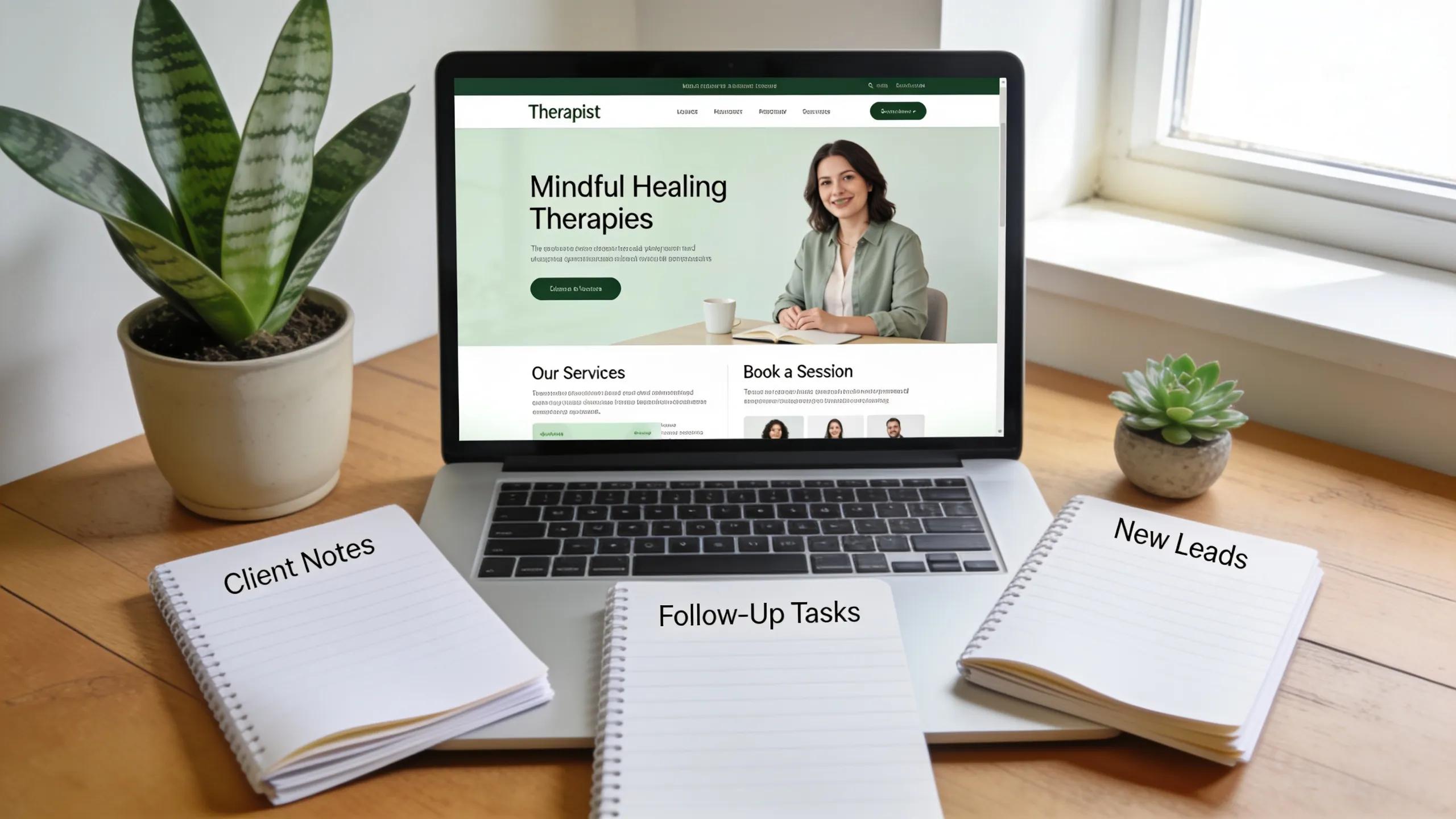
- SEO Best Practices: Focusing on search engine optimization ensures that the therapist's website ranks higher in search results, making it more likely to be found by potential clients.
- Content Marketing: Developing valuable content related to mental health can engage users and drive organic traffic to the landing page, fostering a deeper connection with potential clients.
- Client Growth Audits: Regularly assessing the effectiveness of current strategies allows practices to adapt and implement improvements that resonate with their target audience.
Search Engine Optimization Best Practices for Psychotherapy Landing Pages and Client Intake Forms
Effective search engine optimization requires the inclusion of dedicated landing pages and post-submission confirmation pages. These pages should promote seasonal offerings and integrate countdown timers for intake call reminders. Feast or Famine–The 9 Steps of Website Evaluation in Beauty Industry, MB Cowley-Cunningham, 2016
Best Practices for Creating Engaging Landing Pages
- Effective Call-to-Action Placements: Strategic positioning of calls to action invites users to take meaningful steps, such as scheduling an appointment or completing an intake form.
- Professional Design Aesthetics: A clean, visually coherent design establishes credibility and trust in potential clients, which is essential in mental health services.
- Incorporating Interactive Features: Adding elements such as assessments or interactive questionnaires can engage users and provide personalised insights, supporting a more informed intake assessment.
Optimizing Landing Page Performance Through Intent-Based Recommender Systems
The Landing-Page Recommender System (ISRec) provides an intent-based framework for multi-stage landing page optimization and represents an effective methodological approach. Beyond Black-Box: Structuring Landing Page Recommender Systems Using Predicted Intents, 2025
What Are Effective Therapist Intake Form Templates and How Can They Be Customized?
Which Essential Fields Should Therapy New Client Forms Include?
- Personal Information Collection: Basic details such as name, contact information, and emergency contacts are necessary for effective communication.
- Medical History Fields: Knowledge of a client's medical history, including prior treatments and current medications, informs appropriate treatment planning.
- Consent and Privacy Acknowledgments: Clients must acknowledge privacy policies and provide informed consent for data use to ensure regulatory compliance and transparency.
How to Implement Customizable Therapy Intake Questionnaires for Enhanced Client Engagement
- Utilizing Interactive Features for Engagement: Incorporating elements such as drop-down menus or checkboxes can streamline completion and reduce user effort.
- Offering Personalization Options for Clients: Allowing clients to indicate specific concerns or priorities enables a more targeted intake profile.
- Feedback Mechanisms After Submission: Providing immediate confirmation or next-step guidance improves the client experience and sets expectations for subsequent care.
What Are Best Practices for Mental Health Client Onboarding via Digital Intake Solutions?
- User-Friendly Online Forms: Streamlined, clearly structured online forms reduce abandonment and improve completion rates.
- Integration with Scheduling Tools: Enabling appointment booking immediately after form completion reduces administrative steps and improves conversion.
- Secure Communication Methods: Implementing encrypted channels and verified authentication protects sensitive client data during transmission and storage.
How Does a Digital Intake Process Improve Therapist Client Intake Efficiency?
- Reduction of Administrative Workload: Automating data capture and scheduling allows clinicians to reallocate time from paperwork to clinical tasks.
- Time Savings for Clients and Therapists: Clients can complete forms asynchronously, and therapists receive structured information prior to sessions.
- Improved Compliance and Security: Well-configured digital systems support adherence to regulatory requirements and secure data handling protocols.
Digital Literacy and Tailored Support in Mental Healthcare Client Intake
Assessing digital literacy during the intake process permits tailored support and can reduce client attrition rates. A healthcare case study in digital transformation, technology integration, and human factors dynamics, 2026
What Compliance Protocols Should Be Integrated in Therapist Intake Processes?
- HIPAA Regulations Overview: Implementing HIPAA guidelines ensures that client information is managed in accordance with legal requirements.
- Importance of Secure Client Data Handling: Establishing formal policies for data storage, transmission, and access control is necessary to mitigate exposure risk.
- Regular Audits for Compliance: Periodic audits identify gaps and ensure continued alignment with evolving regulatory obligations.
Which Therapy Practice Website Templates Optimize the Client Intake Landing Experience?
- Features of Optimized Templates: Templates that include clear navigation, responsive layouts, and integrated forms facilitate efficient user interactions.
- Examples of Effective Designs: Reviewing implemented examples provides practical benchmarks for design and functionality.
- How Templates Integrate with Intake Processes: Templates must connect seamlessly to scheduling, EHR, and marketing systems to support end-to-end workflows.
How to Select Therapy Website Templates that Support Seamless Digital Intake Integration
- Prioritizing Mobile-Friendly Design: Templates optimized for multiple screen sizes ensure consistent access across devices.
- Customizable Options for Forms: Templates that permit flexible form configuration allow practices to tailor intake content to clinical needs.
- Integration with Marketing Tools: Templates that support analytics, email automation, and social media integrations enable coordinated outreach efforts.
What Design Elements Enhance Client Trust and Increase Lead Conversion Rates?
- Design Elements that Convey Professionalism: A polished visual presentation signals competence and reduces perceived risk.
- The Role of Testimonials and Reviews: Prominently displaying verified client feedback supports credibility and influences decision-making.
- Importance of Visual Consistency: Consistent branding and layout across pages reinforce familiarity and reduce user friction.
What Marketing Strategies Drive Effective Client Acquisition Through Intake Landing Pages?
- Utilizing SEO and SEM for Visibility: Coordinated search optimization and marketing campaigns increase discoverability and drive targeted inquiries.
- Content Marketing Strategies: Publishing evidence-based, informative content establishes the practice as a credible resource and supports lead generation.
- Social Media Outreach Approaches: Professional engagement on appropriate social channels can facilitate initial contact and referral pathways.
How Do Optimized Intake Landing Pages Increase Qualified Lead Generation for Mental Health Practices?
- Best Practices for Creating Optimized Landing Pages: User-centered design and clear information architecture lead to higher conversion metrics.
- Monitoring and Testing Strategies: Systematic A/B testing and analytics-driven iteration identify high-performing elements and reduce uncertainty.
- Future Trends in Landing Page Design: Adoption of personalization and interactive features supports relevance and engagement.
Which Metrics Should Be Monitored to Evaluate Intake Page Performance and Client Growth?
- Tracking Conversion Rates: Conversion metrics quantify the proportion of visitors who complete target actions and indicate landing page effectiveness.
- Analyzing Lead Source Data: Source attribution informs channel investment and strategy refinement.
- Monitoring Client Retention Rates: Retention metrics measure ongoing engagement and the efficacy of onboarding processes.
How Do Compliance and Security Considerations Impact Digital Therapist Intake Processes?
- Understanding HIPAA Compliance Requirements: Familiarity with HIPAA obligations is necessary to mitigate legal risk and protect client rights.
- Best Practices for Secure Data Handling: Implementing access controls, encryption, and defined retention policies reduces exposure to breaches.
- Risks of Non-Compliance: Non-compliance can result in legal penalties, reputational damage, and erosion of client trust.
What Are Key HIPAA Compliance Features for Digital Intake Solutions?
- Patient Consent Requirements: Documented informed consent for data use and storage is a foundational compliance element.
- Data Encryption Standards: Strong encryption for data at rest and in transit protects client information from unauthorized access.
- Secure Communication Protocols: Use of secure channels for client communication mitigates confidentiality risks.
How Can Therapy Practices Ensure Patient Data Security During Online Client Onboarding?
- Implementing Privacy Policies: Clear, accessible privacy policies inform clients how their data will be used and protected.
- Secure Data Handling Practices: Enforcing strict protocols for data storage, access control, and transmission reduces exposure risk.
- Continuous Compliance Training for Staff: Ongoing staff training on regulatory and security practices sustains organisational vigilance.