
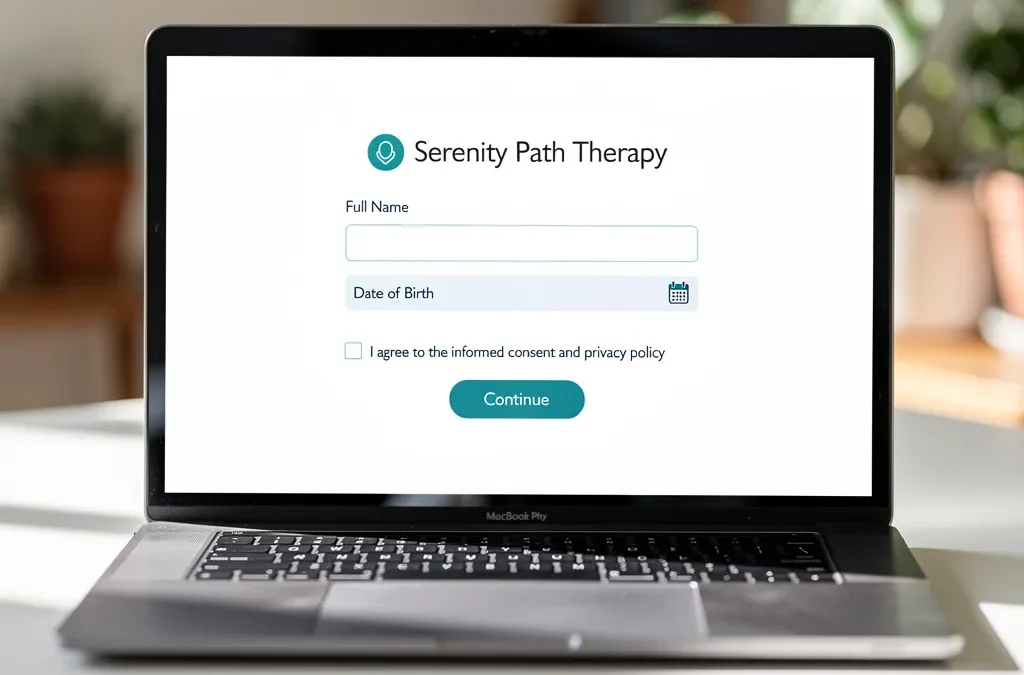
Secure intake forms and consent documents must use HIPAA-compliant platforms like Hushmail for e-signable web forms. Our approach integrates validated screening tools such as the PHQ-9 and GAD-7 alongside required HIPAA acknowledgments and informed consent. This ensures ethical client onboarding while maintaining regulatory compliance for mental health practices.

Key Takeaways

  • HIPAA-compliant intake forms must include HIPAA acknowledgments and informed consent as the legal backbone of every client file.
  • Validated screening tools like the PHQ-9 and GAD-7 provide baseline scores that track client progress across sessions.
  • Unsecured intake forms expose protected health information to interception, leading to HIPAA violation penalties and loss of professional standing.
  • Behavioral health intake forms capture psychosocial history, trauma background, and current mental status, demanding stricter handling protocols than general medical intake.

What are secure intake forms for therapy?

Secure intake forms are clinical documents that collect patient information before the first therapy session. These forms go well beyond standard medical intake. A complete set covers demographic data, mental health and medical history, family history, current symptoms, and treatment goals. Without them, practices lose the structured clinical picture needed for effective treatment planning.

HIPAA-compliant intake forms must include required consent documents. HIPAA acknowledgments and informed consent for treatment form the legal backbone of every client file. Behavioral health intake forms handle sensitive history with care. Programs serving patients with substance use disorders face additional rules under 42 CFR Part 2. Missing these elements exposes a practice to compliance violations that carry substantial penalties.

What screening tools belong in therapy intake forms?

Many practices include validated screening instruments within their intake packets. The PHQ-9 measures depression severity. The GAD-7 assesses anxiety levels. These tools provide baseline scores that track client progress across sessions.

How do secure intake forms differ from general medical forms?

General medical intake focuses on physical health history. Behavioral health intake captures psychosocial history, trauma background, and current mental status. The sensitivity of this information demands stricter handling protocols. Our secure-therapy-forms approach integrates patient-consent-online workflows that meet these elevated standards.

Mental Marketing Pros builds hipaa-intake-forms directly into therapist intake landing pages. This integration streamlines onboarding while maintaining full regulatory compliance. Practices that digitize these workflows reduce administrative burden and eliminate the data-entry errors common with paper systems. The result is a faster path from first contact to first session.

Why must intake forms be HIPAA compliant?

HIPAA enforces strict rules about how clients' healthcare information is accessed and shared. Intake forms collect protected health information, making compliance a legal requirement rather than an optional safeguard. Without HIPAA-compliant intake processes, practices risk regulatory penalties and the erosion of client trust that no marketing campaign can repair.

The intake packet captures sensitive data: psychiatric history, family background, current symptoms, and treatment goals. Every field on that form represents information the law protects. Mental Marketing Pros builds intake workflows that maintain patient confidentiality while streamlining the onboarding experience. Our HIPAA-compliant digital marketing services extend this protection across every client touchpoint, from the first website visit through ongoing treatment.

What makes an intake form HIPAA compliant?

Three elements define a compliant intake system. First, therapists must obtain informed consent from clients before sharing any personal health information. Second, practices must maintain confidentiality throughout the entire data collection and storage process. Third, secure-intake-forms require encrypted transmission and access controls that prevent unauthorized viewing.

How do hipaa-intake-forms protect client privacy?

These forms protect privacy through technical safeguards and procedural requirements. Patient-consent-online workflows ensure clients explicitly authorize every use of their data before submission. Secure-therapy-forms employ encryption during transmission and restrict access to authorized staff only. Our approach at Mental Marketing Pros integrates these protections directly into the intake landing pages we design for therapy practices.

What happens when intake forms lack proper security?

Unsecured intake forms expose protected health information to interception and unauthorized access. The consequences include HIPAA violation penalties and the loss of professional standing. Secure platforms must be used to collect and store client data to remain compliant with HIPAA regulations. We implement these safeguards as a foundational element of every client onboarding system we build.

What documents belong in a secure intake packet?

A secure intake packet assembles the clinical and legal documents required before a first therapy session. The packet captures demographic data, mental health and medical history, family history, current symptoms, treatment goals, and required consent documents. Missing even one component delays treatment and exposes the practice to compliance risk.

Secure-intake-forms serve as the backbone of ethical onboarding. A complete set, according to Mental Health Intake Forms: A Practical Guide for Practices (2026), covers demographic data, mental health and medical history, family history, current symptoms, treatment goals, and required consent documents, including HIPAA acknowledgments. We structure every packet to meet this standard.

What consent documents are required beyond the general intake form?

Informed consents, telehealth agreements, and other paperwork are commonly needed alongside the general intake form. Secure Client Intake Form Templates confirms that practices require clients to sign informed consents, telehealth agreements, and more during onboarding. We integrate these into a single hipaa-intake-forms workflow that clients complete on any device.

Which screening tools strengthen a mental health intake packet?

Validated screening tools such as the PHQ-9 for depression. The GAD-7 for anxiety are often included in mental health intake forms. Mental Health Intake Forms: A Practical Guide for Practices (2026) notes that many practices include these instruments. Behavioral health intake forms must handle sensitive history with care. Patient-consent-online functionality ties these documents together. We build packets that combine demographic fields, screening instruments, and e-signable consents into one secure-therapy-forms sequence. The result is a compliant, complete record before the first appointment begins.

How do you collect patient consent online securely?

Collecting patient-consent-online securely starts with HIPAA-compliant form software that sends intake packets directly to clients. E-signable web form versions allow consent documents to travel alongside intake forms on any device.

We follow a five-step process for every practice onboarding workflow.

What makes an online consent form HIPAA secure?

HIPAA-secure consent forms require encryption, access controls, and a Business Associate Agreement with the software vendor. Every submission arrives securely with a signature, a timestamp, and an audit trail. This audit record replaces the unsigned paper trail that creates documentation gaps during audits.

  1. Select HIPAA-compliant form software. We implement hipaa-intake-forms through platforms that execute Business Associate Agreements and encrypt data in transit and at rest. FormDoctor’s patient intake software, for example, enables practices to send and receive HIPAA compliant forms online.
  1. Build the consent packet. We assemble all required documents, including Notices of Privacy Practices, informed consent for treatment, and telehealth agreements. Practices using Hushmail create e-signable web form versions of these intake documents that clients fill and sign on any device.
  1. Deliver the forms to clients. Secure-intake-forms travel via text, email, tablet, or a practice website link. Clients open the packet on their phone, tablet, or computer. No printing. No waiting room clipboards.
  1. Track submissions and send automated reminders. We monitor each form’s progress through the platform dashboard. Automated reminders prompt clients who have not yet completed their forms. This eliminates the downstream scheduling delays caused by missing paperwork.
  1. Verify the audit trail. We confirm every signed consent arrives with the timestamp and audit record intact. The verified file is stored in the client chart. Nothing gets misfiled or lost between sessions.

How long does the online consent process take for clients?

Most clients complete secure-therapy-forms in under 15 minutes on their own device. The process stays self-paced and confidential. A smooth digital consent workflow signals professionalism before the first appointment begins.

What features make intake software HIPAA compliant?

HIPAA compliant intake software protects patient data through encryption, access controls, and audit trails. The software must also integrate with existing systems while automating the collection workflow.

We evaluate every intake platform against four non-negotiable requirements before recommending it to a practice. Missing any single feature exposes protected health information and violates federal regulations.

What technical safeguards must intake software include?

The software layer must integrate with the EHR system a practice already uses. These three elements create the compliance record regulators expect during an audit.

Secure intake forms require encryption both in transit and at rest. The platform sends one HIPAA compliant form packet by text, email, tablet, or website. The packet returns signed, complete, and filed to the chart as structured data or a PDF.

How does compliant software handle consent and reminders?

Patient consent online requires e-signature capability built directly into the form flow. Clients sign consents, telehealth agreements, and privacy notices before the first session. The signature binds to the document with a timestamp.

Automated reminders and progress tracking help practices manage intake completion before appointments. HIPAA intake forms arrive complete when the client walks through the door. This eliminates clipboard paperwork and reduces no-show risk from incomplete documentation.

Secure therapy forms must also extend to feedback collection. To remain compliant, practices must collect reviews without exposing personal health details. Our HIPAA-compliant digital marketing framework applies the same standard to every client touchpoint.

The right software removes administrative burden without creating compliance gaps. We verify each platform's encryption, audit trail, and EHR integration before recommending it.

How do you design a secure intake landing page?

A secure intake landing page serves as the initial point of contact for prospective clients. Effective therapist intake landing pages are essential for improving client onboarding and increasing lead generation. Without a properly designed page, practices lose prospective clients at the first interaction. The page must optimize user experience and conversion from the moment a visitor arrives.

We design every intake landing page with three non-negotiable priorities. Security, clarity, and conversion work together to protect sensitive health information while guiding clients toward booking.

What elements make an intake landing page secure?

Security begins with secure-intake-forms that encrypt all submitted data. We implement hipaa-intake-forms through platforms offering e-signable web form versions of intake paperwork. These forms handle informed consents, telehealth agreements, and notice of privacy practices alongside demographic collection. Every form submission travels through encrypted channels. No unprotected data ever touches our clients' servers.

Patient-consent-online functionality requires more than a signature field. We build consent workflows that present each document clearly before requiring acknowledgment. Clients review and sign secure-therapy-forms on any device before their first session. This approach eliminates paper handling risks. It also creates an auditable digital trail for compliance purposes.

How does the page structure improve client onboarding?

Optimized client onboarding includes appointment booking integrations and mobile-responsive design for smooth user access. We follow a specific build sequence for every landing page.

  1. Place the primary call-to-action above the fold with a single, unambiguous path to the intake form.
  2. Embed appointment booking directly on the page to eliminate navigation friction.
  3. Build the form flow with progressive disclosure, showing only relevant fields at each step.
  4. Test every element across phone, tablet, and desktop viewports before launch.

Mobile responsiveness is not optional. A page that fails on a smartphone abandons the majority of therapy seekers. We verify that buttons remain tappable, text stays readable, and forms function without zooming or horizontal scrolling.

What drives lead generation on these pages?

Effective lead generation relies on SEO best practices, content marketing, and regular client growth audits. We structure each page with clear heading hierarchy and schema markup that search engines parse accurately. The page content addresses the specific concerns that bring prospective clients to search. Regular audits identify drop-off points in the form completion process. We correct these friction points immediately. Each improvement compounds over time, steadily increasing the percentage of visitors who become scheduled clients.

What mistakes compromise secure therapy forms?

Secure therapy forms fail when practices skip consent, use unprotected platforms, or omit required documents. These errors expose clinics to HIPAA violations and erode client trust.

We see four recurring mistakes across mental health practices. Each one creates measurable legal and operational risk.

What happens when informed consent is missing?

Failing to obtain informed consent before sharing personal health information violates HIPAA guidelines. We require written authorization before any protected health details move outside the clinical record. Without this step, a practice cannot defend its disclosure decisions during an audit.

Which form elements do practices most often omit?

  1. Written informed consent documentation before collecting or sharing any personal health information.
  2. HIPAA acknowledgments and informed consent documents in every intake packet.
  3. Use of secure platforms to collect and store client feedback and form submissions.
  4. Handling of sensitive history with care, especially for clients with substance use disorders.

A complete intake set covers demographic data, mental health and medical history, family history, current symptoms, treatment goals, and required consent documents. Neglecting the HIPAA acknowledgment creates immediate legal exposure.

Why do non-secure platforms create liability?

Using non-secure platforms to collect and store feedback exposes practices to compliance liabilities. Secure-intake-forms must route through encrypted channels. Hipaa-intake-forms require the same protection as clinical notes. Patient-consent-online workflows fail when signatures travel through unencrypted email. Secure-therapy-forms cannot live on generic form builders.

Programs serving clients with substance use disorders face additional rules under 42 CFR Part 2. A breach of that confidentiality carries penalties beyond standard HIPAA enforcement.

How do you audit your intake workflow for compliance?

An intake workflow audit examines every step a prospective client takes from first contact to the first session. The audit identifies gaps in data security, consent collection, and client experience that expose a practice to regulatory risk. Without a systematic review, practices lose prospective clients through friction points they never see reported.

We begin by mapping the complete client journey. Document each touchpoint: the landing page, the secure-intake-forms request, the hipaa-intake-forms transmission method, and the patient-consent-online signature process. This visual map reveals where protected health information first enters the system and whether encryption protects it at every stage.

What specific compliance risks appear in intake workflows?

Three risks dominate most intake workflows. First, unencrypted email attachments carrying intake paperwork violate transmission security standards. Second, generic form builders lacking business associate agreements create liability for the practice. Third, consent documents stored separately from clinical records fracture the legal defense if a dispute arises.

How do you test whether your intake forms are actually secure?

We test the full submission path. Send a test secure-therapy-forms packet through the live workflow and trace the data. Verify TLS encryption on the transmission, confirm the storage location meets HIPAA security rule requirements, and check that completed forms file directly to the correct client chart without manual handling.

  1. Inventory every form. List all intake documents: demographic sheets, PHQ-9 and GAD-7 screenings, informed consent, telehealth agreements, and HIPAA acknowledgments. Missing forms create compliance exposure.
  2. Verify the technology stack. Confirm the form platform provides a business associate agreement and encrypts data both in transit and at rest.
  3. Test the consent sequence. Ensure clients sign all consents before any clinical data collection begins.
  4. Review the client experience. Time the completion process on mobile and desktop. Abandonment at this stage costs the practice bookings.
  5. Check charting integration. Completed forms must file automatically to the correct record. Manual uploads introduce error and delay.

Regular client growth audits form part of effective lead generation and practice management. Our ethical, HIPAA-compliant growth strategies include intake workflow reviews that prepare practices for expansion. Mental Marketing Pros supports clinics in preparing for growth by building waitlists or devising strategies for managed practice expansion. The Wellness Booking Blueprint helps practices multiply their bookings, growing their client base 2 to 5 times within a short period. We offer tailor-made marketing plans to enhance reach and visibility whether a practice is insurance-based or self-pay.

FAQ

What screening tools belong in therapy intake forms?

The PHQ-9 measures depression severity and the GAD-7 assesses anxiety levels, providing baseline scores that track client progress across sessions.

Why must intake forms be HIPAA compliant?

HIPAA enforces strict rules about how clients' healthcare information is accessed and shared, making compliance a legal requirement for collecting protected health information.

How do secure intake forms differ from general medical forms?

Behavioral health intake captures psychosocial history, trauma background, and current mental status, demanding stricter protocols than general intake.

Conclusion

A systematic intake workflow audit, combined with verified encryption and complete consent documentation, eliminates the compliance exposure that undermines client trust. Practices that implement these protocols protect their reputation while converting more visitors into scheduled clients. The next step requires reviewing every form, platform, and data transmission path against HIPAA standards before accepting another submission.